



A Step-by-Step Guide to Applying for Probate in NSW
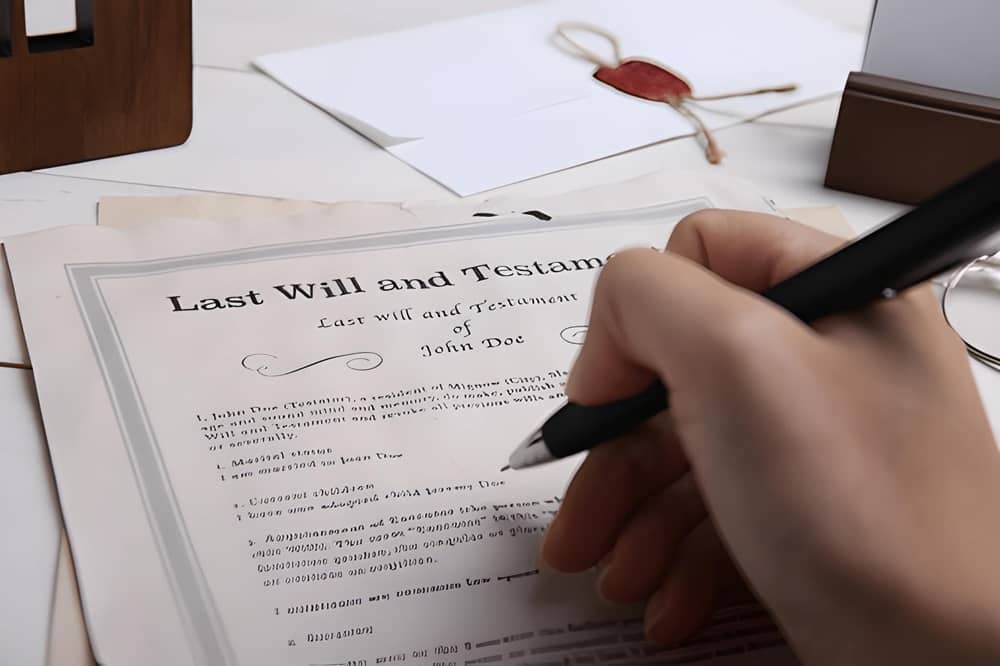
Losing a loved one is an incredibly difficult experience. Amidst the grief and the practical arrangements of a funeral, there often comes a time when you must turn your attention to the legalities of their estate. If you have been named as an executor in a will, you may have heard the term probate mentioned by banks, insurance companies, or land titles offices.
While the word sounds formal and perhaps a little challenging, probate is simply the legal process of proving that a will is valid and that you have the authority to manage the deceased person’s affairs.
In New South Wales, this process is overseen by the Supreme Court. Navigating the legal system during a time of loss can feel overwhelming, but understanding the steps involved can provide a sense of clarity and control.
What Exactly is Probate and Why is it Necessary?

Probate is a court order issued by the Supreme Court. This order confirms that the will is the true last testament of the deceased person and grants the executor the legal right to deal with the assets.
You might wonder if you can avoid this process entirely. In some cases, if the estate is very small or if all assets were held in joint names (like a family home owned as joint tenants), probate might not be required. However, for most estates involving significant bank balances, shares, or real estate held solely in the deceased’s name, probate is a mandatory requirement.
Financial institutions and the Land Registry Services require this “grant of probate” to protect themselves. It ensures they are releasing funds or transferring title deeds to the correct person. Without it, the estate remains frozen, and you cannot legally distribute the inheritance to the beneficiaries.
Step 1: Locating the Original Will and Identifying the Executor
The very first step is to find the original will. Photocopies or digital scans are generally not sufficient for a standard probate application. You should look through the deceased’s personal papers, check with their bank for a safety deposit box, or contact the law firm that may have drafted the document.
Once you have the will, identify who has been named as the executor. This is the person responsible for carrying out the instructions in the will. If there are multiple executors named, they can usually apply together. If you are the named executor but feel you cannot take on the role due to health or personal reasons, you may be able to “renounce” your probate, allowing an alternative executor to step in.
If you find yourself in a situation where no will exists, the process is slightly different. This is known as dying intestate, and instead of probate, you would apply for Letters of Administration.
At Buckley Lawyers, we recommend that a Will should be kept with the Will Safe held through the NSW Trustee and Guardian. Contact Buckley Lawyers on 02 9220 1737 for advice on drafting or updating your Will.
Step 2: Obtaining the Death Certificate
Before any legal proceedings can begin, you must have the official Death Certificate issued by the NSW Registry of Births, Deaths and Marriages. Usually, the funeral director will apply for this on your behalf, and it will be sent to you several weeks after the funeral. You cannot use the “Medical Certificate of Cause of Death” provided by a hospital or doctor for the probate application.
Step 3: Valuing the Estate
As the executor, you need to know exactly what the deceased owned and what they owed at the date of their death. This involves creating a comprehensive list of assets and liabilities.
Assets typically include:
- > Real estate (houses, units, or land).
- > Bank accounts and term deposits.
- > Shares and managed funds.
- > Superannuation (if paid to the estate rather than a nominated beneficiary).
- > Personal items like jewellery, cars, and artwork.
Liabilities include:
- > Mortgages and personal loans.
- > Credit card debts.
- > Unpaid utility bills or taxes.
It is a good idea to write to banks and financial institutions with a copy of the death certificate to request the “date of death” balances. For real estate, you may need a formal valuation from a registered valuer rather than just a market appraisal from a real estate agent, especially if the estate is large or if there is a potential for dispute among beneficiaries.
Step 4: Publishing the Notice of Intention to Apply
In NSW, the law requires you to give public notice that you intend to apply for probate. This gives creditors of the deceased or anyone who might want to challenge the will a chance to come forward.
This notice must be published on the NSW Online Registry at least 14 days before you lodge your application with the Court. The cost for this is relatively small, but it is a vital legal step. If you lodge your application too early, the Court will reject it, causing delays and further costs.
Step 5: Preparing the Legal Documents
This is the most technical part of the process. The Supreme Court of NSW requires specific forms to be completed accurately. Any errors in these forms can lead to “requisitions,” which are essentially formal questions from the Court that pause your application until they are answered.
The core documents include:
The Summons for Probate
This is the formal request to the Court to grant probate. It includes details about the deceased and the executor.
The Affidavit of Executor
This is a sworn statement where you, as the executor, swear or affirm that the information you are providing is true. You must identify the will, confirm the death, and provide details of the assets and liabilities. This document must be witnessed by a solicitor or a Justice of the Peace.
The Inventory of Property
This is a detailed schedule of all the assets located in NSW. It is important to be as accurate as possible here. If you discover more assets later, you may have to apply for an “amendment” to the grant, which is more paperwork.
Step 6: Filing the Application and Paying the Fee
Once the 14-day waiting period from your online notice has passed and your documents are ready, you lodge them with the Supreme Court. You will also need to pay a filing fee.
The filing fee in NSW is not a flat rate. It is based on a sliding scale depending on the gross value of the NSW assets. For example, as of current regulations, an estate valued between $500,000 and $1,000,000 carries a filing fee of over $1,100. It is worth noting that statistics from various legal studies suggest that the complexity of estate administration is increasing, with the average time to settle an estate in Australia now ranging between 6 to 12 months. Ensuring your paperwork is correct from the start is the best way to keep your case on the shorter end of that spectrum.
Step 7: Responding to Requisitions
After you file, a Registrar at the Supreme Court will review your application. If they find anything unclear or if a form has been filled out incorrectly, they will issue a requisition. This is common in “do it yourself” applications. You must answer these questions in writing, sometimes providing further affidavits. If everything is in order, the Court will issue the Grant of Probate. This is a formal document with the Court’s seal and a copy of the will attached.
Step 8: Collecting Assets and Paying Debts
With the Grant of Probate in hand, you now have the legal power to act. You can take the Grant to the banks to close accounts and transfer funds into an “estate account” which you control. You can also engage a real estate agent to sell property or talk to a share broker to sell or transfer stocks.
Before you give any money to beneficiaries, you must pay the estate’s debts. This includes the funeral expenses, any taxes owed to the ATO, and the legal costs of the probate application. As an executor, you can be held personally liable if you distribute funds to beneficiaries while leaving creditors unpaid.
It is also vital to consider the tax implications for the estate. Managing an estate involves more than just following the will; it requires careful financial oversight. To learn more about the broader responsibilities of an executor, you can read our guide on estate planning in NSW.
Step 9: Distribution to Beneficiaries
Once all debts are settled and the “notice of intended distribution” period has passed (usually six months after the date of death), you can distribute the remaining assets to the beneficiaries as outlined in the will.
It is important to provide each beneficiary with a clear statement of account. This shows what was in the estate, what expenses were paid, and how their final share was calculated. Transparency at this stage helps prevent misunderstandings or family disputes.
Common Challenges and Frustrations
Even with a guide, probate can be tricky. Some of the common issues we see include:
- > The Will is damaged: If the will has staple marks where a paperclip was removed, or if it has been marked in any way, the Court will want an explanation.
- > The Executor has died: If the primary executor is no longer alive, the “chain of representation” or the appointment of an alternate executor becomes a legal puzzle.
- > Assets are overseas: Probate in NSW only covers assets within the state. If the deceased owned property in another country or even another Australian state, you may need a “Reseal” of the grant in those jurisdictions
When facing the complexities of will disputes, obtaining the right legal support is crucial. At Buckley Lawyers, we specialise in navigating the sensitive issues surrounding will disputes to ensure a fair outcome for everyone involved.
Whether you’re contesting a will, defending a will or dealing with related estate litigation, our will disputes lawyers in Sydney bring deep expertise and a personalised approach to each case.
Why Professional Assistance Matters
While it is possible to apply for probate on your own, many executors find the process adds significant stress during an already emotional time. The Supreme Court is a formal environment with very strict rules. A single mistake can lead to months of delays.
Working with a solicitor ensures that:
- > The notice is published correctly.
- > The assets are valued appropriately.
- > The affidavits are drafted to meet the Court’s exacting standards.
- > You are protected from personal liability regarding debts and taxes.
Recent data indicates that approximately 50% of Australians die without a valid will, making the legal process for their survivors significantly more complicated. Even when a will does exist, the administrative burden on the executor can be heavy. Engaging professional help is often a cost covered by the estate itself, meaning it does not come out of the executor’s pocket.
How Buckley Lawyers Can Help
At Buckley Lawyers, we understand that you are going through a difficult period. Our goal is to take the legal burden off your shoulders so you can focus on your family. We offer expert guidance through every step of the probate process in NSW, from the initial application to the final distribution of assets.
We pride ourselves on being approachable and clear. We won’t hide behind legal jargon; we will tell you exactly what needs to happen and when. Whether the estate is simple or involves complex business structures and multiple properties, we have the experience to ensure the process is handled with dignity and efficiency.
If you have been appointed as an executor and are unsure of where to start, or if you are struggling with a probate application that has hit a snag, please reach out to us.
Contact us today to schedule a consultation and let us help you navigate the probate process with confidence.
Articles
- A Step-by-Step Guide to Applying for Probate in NSW
- What Happens if We Can’t Agree on Property Settlement? Insights from a Family Lawyer
- Splitting Assets in a De Facto Relationship Breakdown – Why a Family Lawyer Matters
- What Is a Contested Estate and When Can a Will Be Challenged?
- How Do I Keep the Family Home in a Divorce? Advice from a Family Lawyer
- Landlord Demanding Excessive Repairs? How Lease Dispute Lawyers Protect Commercial & Retail Tenants
- Breach of Contract Claims: How Commercial Litigation Lawyers Prove Your Case
- Before You Go to NCAT: How Building Dispute Lawyers Help With Fair Trading First
- Parenting After Separation: How Parenting Lawyers Help Before Going to Court
- How do I formalise my property settlement agreement?
- Understanding the Difference Between License Disqualification and Suspension in NSW License Suspension
- The importance of formalising your family law property settlement agreements
- Family Law Matters Allocated to the Evatt List
- De Facto Relationships In Family Law
- License Suspension in NSW: Your Guide to Understanding and Appealing
- NCAT Disputes
- Litigation And Dispute Resolution
- Environmental And Planning
- Business And Commercial Law
- Building And Construction
- Bankruptcy And Insolvency
Get In Touch
Have a problem?
We can help.
We can help.



